The small white urn in my arms weighed almost nothing.
Yet carrying it through the hospital doors felt heavier than anything I had ever held.
Inside were the ashes of my three-year-old daughter.
My little girl.
The child who had fought a serious heart condition almost from the day she was born.
And while I stood outside a Chicago hospital trying to understand how the world could keep moving after Chloe was gone, her father finally decided to answer my call.
I had tried seventeen times before.
This time, Brendan Fairchild picked up.
He had no idea our daughter was dead.
And he had even less idea that abandoning us had just awakened the one part of my life his family should have feared most.
He Answered Only After It Was Too Late
My name is Natalie Mercer.
For three years, almost every decision in my life had revolved around Chloe.
Hospital appointments.
Medication schedules.
Specialists.
Blood tests.
Emergency rooms.
Long nights sitting beside a hospital bed while monitors beeped softly in the darkness.
Chloe learned words like cardiologist before most children learned to spell their last names.
She hated needles.
Loved strawberry yogurt.
Collected stickers from every nurse who treated her.
And somehow, despite everything her tiny body endured, she laughed more easily than most healthy adults I knew.
The morning she died, I held her hand until it became cold.
Brendan wasn’t there.
He should have been.
He was her father.
My husband.
Instead, I had spent the final hours of our daughter’s life calling a man who refused to answer.
Seventeen calls.
Messages.
Voicemails.
Nothing.
Then, as I stepped outside carrying Chloe’s ashes, my phone finally rang.
His name appeared on the screen.
Brendan Fairchild.
For one second, I simply stared.
Then I answered.
“What?”
His voice wasn’t frightened.
It wasn’t concerned.
It was irritated.
“Stop making a scene and bring Chloe home.”
I couldn’t breathe.
Behind him, I heard music.
Glasses clinking.
Someone laughing.
A woman.
I recognized the voice.
Vanessa Cole.
The woman Brendan insisted was only a business associate.
“The bill has already been handled,” he continued. “There was no reason to call me seventeen times.”
I looked down at the urn.
Our daughter was dead.
And her father was annoyed that I had interrupted his evening.
“Fine,” I whispered.
“Natalie—”
I ended the call.
I refused to let him hear me cry.
He had already taken too much from me.
He wasn’t getting that.
The Day I Carried My Daughter’s Ashes Home, My Husband Finally Answered My Call—He Had No Idea What I Was About to Unleash
I Returned to a Mansion That Had Never Really Been My Home
The Fairchild estate stood in Lake Forest, north of Chicago.
Stone columns.
Perfect landscaping.
Long drive.
Windows so tall they made the house look more like a private hotel than somewhere people actually lived.
When I first married Brendan, I thought it was beautiful.
By the time Chloe died, it felt like a prison decorated by an interior designer.
I stepped from the car holding the urn against my chest.
Brendan’s younger sister, Madison, was standing near the entrance.
She looked at the white container.
Her first reaction wasn’t grief.
It was irritation.
“What is that?”
I stared at her.
“Your niece.”
Her expression tightened.
“Don’t be dramatic.”
I had spent years hearing that phrase.
Every time Chloe needed another specialist.
Every time I questioned an expense denial.
Every time I asked Brendan to come to the hospital.
I looked directly at Madison.
“These are Chloe’s ashes.”
Her face emptied.
For several seconds, neither of us spoke.
Then she stepped aside.
I walked past her.
No scream.
No accusation.
No energy left for either.
I carried Chloe toward the bedroom at the far end of the second floor.
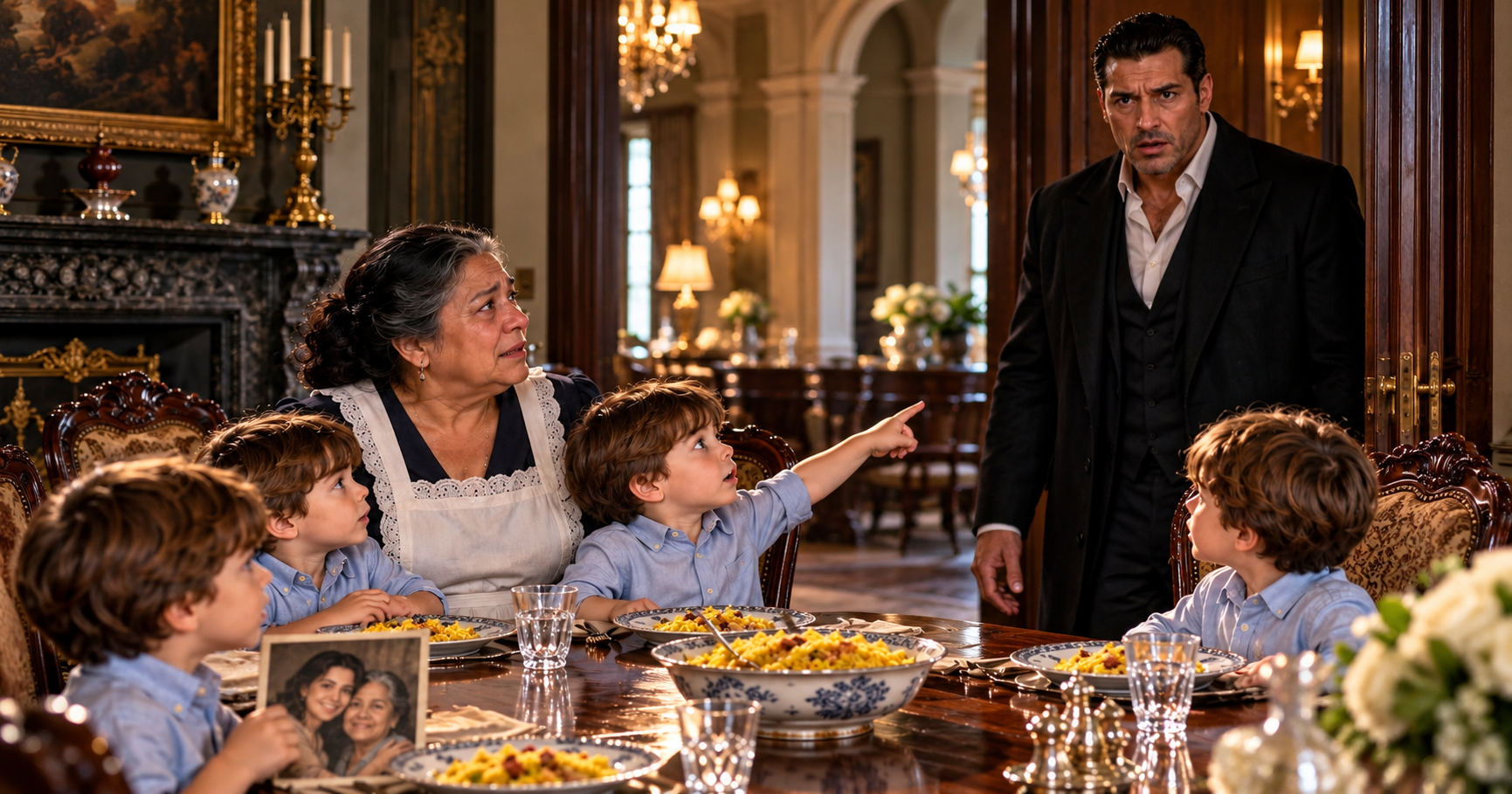
The room Brendan had chosen for her because her medical equipment was “too disruptive” near the family bedrooms.
That word stayed with me.
Disruptive.
Oxygen equipment was disruptive.
Nurses were disruptive.
Late-night alarms were disruptive.
Our sick child had slowly become an inconvenience inside her father’s perfect house.
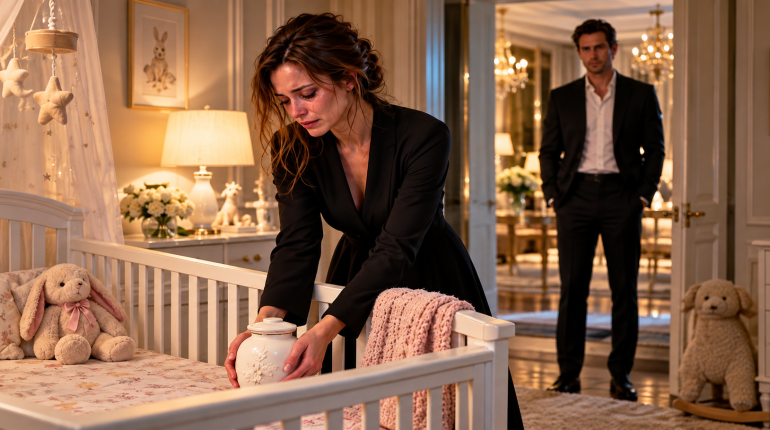
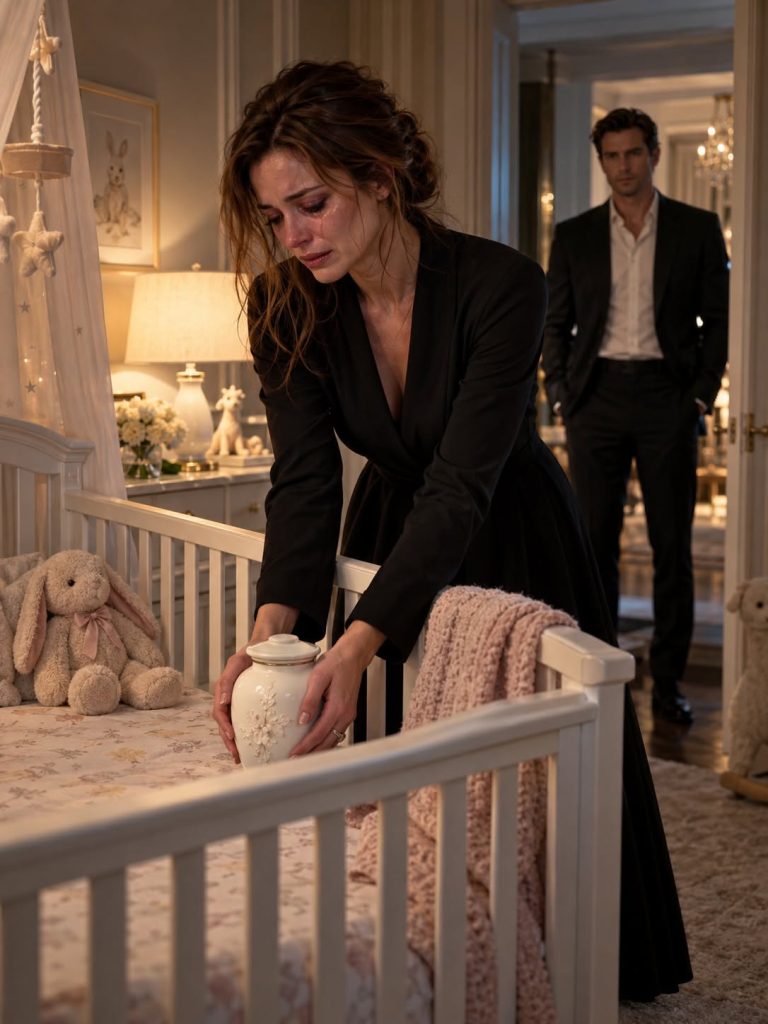
I entered the room.
The crib remained against the wall.
A stuffed rabbit rested near the pillow.
Three storybooks were stacked on the nightstand.
I placed the urn gently inside the empty crib.
Then I sat on the floor beside it.
And for a long time, I did nothing.
My Husband Had Controlled Every Dollar I Could Spend
Before Brendan, I had been good with numbers.
Very good.
I earned a master’s degree in actuarial science and built a promising career analyzing corporate risk.
Insurance portfolios.
Investment exposure.
Debt structures.
Probability models.
The kinds of numbers capable of telling an executive whether a company was safer than it appeared—or already dying.
I loved the work.
Then I married Brendan.
At first, leaving my career sounded romantic.
“You don’t need to work,” he told me.
“We have more money than we’ll ever spend.”
When Chloe was born and doctors discovered her heart condition, his argument became stronger.
“She needs you.”
He was right about that.
So I resigned.
At first, nothing felt dangerous.
We had joint cards.
Joint accounts.
Household staff.
More financial security than most families could imagine.
Then things changed slowly.
My personal account was closed because it was supposedly “unnecessary.”
Large purchases needed approval.
Medical costs were routed through the Fairchild family office.
Then every expense began passing through Brendan’s executive assistant, Isabel Grant.
Medication.
Specialists.
Home nurses.
Equipment.
Isabel decided whether something was “reasonable.”
If she rejected it, I had to appeal.
And every appeal eventually required Brendan.
That was how a woman with an advanced financial degree ended up asking permission to pay for medicine for her own daughter.
I had told myself the system was simply how wealthy families handled money.
That lie became impossible to maintain during Chloe’s final crisis.
One Medication Might Have Given Her More Time
Chloe’s cardiologist prescribed an urgent new medication.
It was expensive.
But according to the doctor, it might stabilize her enough to give the medical team more options.
I submitted everything.
Prescription.
Medical reports.
Specialist recommendation.
Emergency approval forms.
Isabel rejected the request.
Cost exceeds approved medical allowance.
I called Brendan.
No answer.
Again.
Nothing.
By the fifth call, I was crying.
By the tenth, I was furious.
By the seventeenth, Chloe’s condition had deteriorated further.
I went to Brendan’s downtown office.
I sat outside for five hours.
Executives passed me.
Assistants whispered.
Security asked twice whether I needed transportation home.
I stayed.
When Brendan finally stepped off the elevator, Vanessa was beside him.
Beautiful.
Polished.
Laughing at something he had said.
His smile vanished when he saw me.
“What are you doing here?”
“Chloe needs medication.”
His eyes shifted toward employees nearby.
“You came here for this?”
“The request was denied.”
“Then talk to Isabel.”
“She denied it.”
“Natalie.”
He lowered his voice.
“Do not embarrass me at work again.”
I stared at him.
“Your daughter is in the hospital.”
“I know.”
“The doctor says she needs this.”
He exhaled as though I were discussing a vacation upgrade.
“Then handle it through the system.”
Vanessa looked away.
I wondered if she felt ashamed for him.
Probably not enough.
A doctor eventually paid for one dose himself.
One dose.
That medicine bought Chloe additional time.
I submitted another emergency request.
The status never changed.
Under Review.
Seven days later, my daughter died.
Then I Heard Brendan Defend the Woman Who Denied Chloe’s Medicine
That evening, I remained in Chloe’s room.
The house below had gone strangely quiet.
News of her death had spread through the family, but grief inside the Fairchild home felt formal.
Controlled.
As though someone would eventually assign it a place on the calendar.
Then voices drifted upward.
Brendan had returned.
I recognized Madison’s voice too.
I stood near the bedroom door.
“What happened?” she asked.
“Natalie’s losing control,” Brendan replied.
My fingers tightened around the doorframe.
Madison lowered her voice.
“But Chloe really died?”
A pause.
“Yes.”
For half a second, I expected Brendan’s voice to break.
It didn’t.
Instead he said:
“Isabel was right to slow her down.”
I stopped breathing.
Madison said something too quietly to hear.
Then Brendan continued.
“Natalie thinks she can use family money every time she panics.”
Every time she panics.
I looked at the crib.
At the white urn.
Our daughter’s ashes sat inside it.
And Brendan was downstairs defending the financial restrictions that had delayed her medication.
Something inside me went silent.
Not shattered.
That implies pieces.
There were no pieces.
Just silence.
For years I had cried.
Argued.
Begged.
Explained.
Submitted forms.
Waited for approval.
That woman disappeared in the space between one heartbeat and the next.
I walked toward my closet.
At the very back, behind winter coats I hadn’t worn in years, sat a small wooden box.
Inside was an old phone.
I hadn’t turned it on since my wedding day.
My Father Had Prepared for a Future I Refused to Imagine
My father never trusted Brendan.
He never said it directly.
Not at first.
He attended the wedding.
Shook Brendan’s hand.
Smiled for photographs.
But the night before I married into the Fairchild family, Dad asked me to walk with him outside the hotel.
He handed me a phone.
Old-fashioned.
Prepaid.
Only one number stored inside.
“What is this?”
“Insurance.”
I laughed.
“Dad.”
“I’m serious.”
He looked me directly in the eyes.
“If becoming Brendan Fairchild’s wife ever leaves you trapped, call that number.”
“I’m not going to be trapped.”
“I hope not.”
“Then why are you doing this?”
“Because loving someone doesn’t mean you should give them the ability to destroy you.”
I had been angry.
I told him Brendan loved me.
I accused Dad of judging a man simply because he came from a richer, more powerful family.
Dad didn’t argue.
He only placed the phone in my hand.
“Keep it.”
Three years later, my father died.
And the phone remained hidden.
Until the night Chloe died.
I sat beside the crib and pressed the power button.
The screen flickered.
One contact.
Richard Lawson.
My father’s longtime attorney.
I pressed call.
It rang twice.
“Hello?”
“Richard?”
Silence.
Then:
“Natalie?”
His voice changed completely.
I closed my eyes.
“Yes.”
Another pause.
“I’ve been waiting three years for you to make this call.”
I Finally Asked What My Father Had Left Behind
I looked toward Chloe’s urn.
“I need you to execute everything my father prepared.”
Richard inhaled slowly.
“Are you certain?”
“Yes.”
“Natalie, once this begins, there may be consequences you cannot reverse.”
I thought about Chloe struggling to breathe.
About the medication request.
Under Review.
About Brendan refusing seventeen calls.
About Vanessa laughing behind him while I held our daughter’s ashes.
“Do it.”
“Your father instructed me to confirm one thing if you ever called.”
“What?”
“That you understand he created these protections for you—not for revenge.”
I nearly laughed.
Revenge.
I didn’t want revenge.
Revenge would require enough emotion to want Brendan to hurt.
I had nothing left for him.
“I understand.”
Richard remained quiet.
Then I said:
“And Richard?”
“Yes?”
“Don’t protect the Fairchilds from anything you discover.”
The silence on the line changed.
More serious now.
Professional.
“I understand.”
Because that was the truth Brendan never knew.
I had not entered our marriage powerless.
Before becoming Mrs. Brendan Fairchild, I had money.
A career.
Investments.
Professional relationships.
And family interests Brendan had never bothered to understand.
I walked away from those things willingly.
Not because I lacked power.
Because I believed marriage meant trust.
My father had apparently been less trusting.
“What exactly did he prepare?” I asked.
Richard hesitated.
“More than you know.”
My heartbeat changed.
“What does that mean?”
“Your father spent years studying the Fairchild structure.”
“The family companies?”
“Yes.”
“Why?”
“Because he believed your marriage agreement contained provisions Brendan’s attorneys assumed no one would ever activate.”
I stood slowly.
“What provisions?”
Richard took a breath.
“Natalie, there are trusts, voting rights, debt guarantees, and contingent ownership interests tied to assets the Fairchild family considers entirely theirs.”
I gripped the phone tighter.
“And?”
“And if certain conditions have occurred, your father structured things so that control over several of those interests may pass to you.”
I couldn’t speak.
Brendan Had Never Bothered to Learn Who I Was Before Him
The Fairchilds believed I had married upward.
Everyone did.
They were old money.
Industrial holdings.
Commercial real estate.
Investment companies.
A family foundation.
Brendan had grown up inside rooms where everyone knew his last name.
I came from wealth too, but my father hated publicity.
Our assets were held quietly.
Private companies.
Trusts.
Partnerships.
He believed people made better decisions when they didn’t know exactly how much power you possessed.
When I married Brendan, I stepped away from most of it.
My father handled what remained.
After he died, I assumed much of the estate had gone into long-term trusts I wouldn’t touch for years.
Apparently, I had been wrong.
“Why didn’t Dad tell me?”
Richard’s answer came quietly.
“Because you were in love.”
That hurt.
“He thought you wouldn’t listen.”
I looked at the white urn.
“He was right.”
“Natalie—”
“What else?”
“Your father also ordered an independent review if you ever activated the plan.”
“Review of what?”
“The Fairchild companies.”
My actuarial instincts awakened for the first time in years.
“What kind of review?”
“Debt exposure. Related-party transactions. Trust obligations. Insurance arrangements. Beneficial ownership.”
My mind started moving.
Numbers.
Structures.
Risk.
The language of the woman I had been before Brendan slowly returned.
“If there are irregularities?”
“We follow them.”
“Even if they damage the family?”
Richard paused.
“You already gave me instructions about that.”
For the first time all day, my hands stopped shaking.
Then footsteps sounded in the hallway.
Heavy.
Familiar.
Brendan.
Coming upstairs.
He Still Believed I Had Nothing
I turned toward the bedroom door.
Richard was still speaking.
“There’s more your father left you, Natalie.”
The footsteps grew closer.
“How much more?”
“Enough that we should not discuss it over this phone once the process begins.”
I heard Brendan stop somewhere outside the room.
My eyes moved toward Chloe’s crib.
Toward the urn.
Toward the stuffed rabbit beside it.
Three years of my life had disappeared into that room.
Three years spent asking permission from people who had convinced me I was dependent on them.
I lowered my voice.
“Start everything.”
“I already have.”
Something changed inside me when he said it.
Not relief.
Not satisfaction.
Control.
For the first time in years, I had made a decision no Fairchild could approve, deny, delay, or mark under review.
Richard continued.
“Your father designed the structure so that once triggered, certain actions happen automatically.”
“What actions?”
Before he could answer, the doorknob moved.
Brendan.
I looked at the urn containing our daughter.
Then at the door.
“Richard, I have to go.”
“I’ll contact you securely.”
“One more thing.”
“Yes?”
“Whatever you find—follow it all the way.”
“I will.”
I ended the call.
The door began to open.
Brendan still believed I was the same woman he had ignored at his office.
The financially dependent wife.
The grieving mother with nowhere else to go.
The woman whose requests could be delayed until someone important decided they were reasonable.
He had no idea that the old phone in my hand had just reconnected me to everything I had surrendered when I married him.
My money.
My training.
My father’s protection.
And, if Richard was right, legal leverage tied directly to the Fairchild empire itself.
Brendan stepped into the room.
And while he still believed I had lost everything, my father’s attorney had already begun the process that could put the future of his entire family’s empire in my hands.