
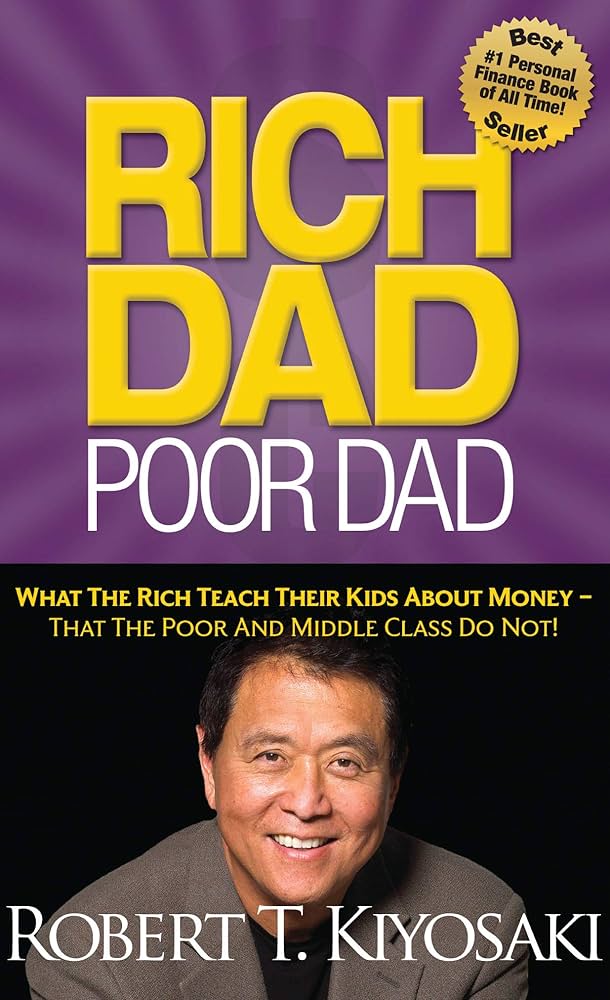
Wealth Is Not Determined by Salary Alone
One of the book’s most useful ideas is that a large paycheck does not automatically create wealth. A person can earn an impressive income and still struggle if expenses, consumer debt and lifestyle costs rise at the same pace.
Kiyosaki encourages readers to pay attention to cash flow: where money comes from, where it goes and what remains available for saving or investing. That lesson is especially relevant when salary increases are quickly absorbed by a larger home, a more expensive vehicle or recurring purchases.
The practical takeaway is not that people should avoid enjoying their earnings. It is that income and net worth are different measurements. Building wealth generally requires keeping and productively using part of what is earned.
Buy Assets Before Expanding Your Lifestyle
Kiyosaki defines an asset in simple cash-flow terms: something that puts money into your pocket. His examples include businesses, investments and income-producing real estate. A liability, in his framework, continually takes money out through payments, maintenance or other expenses.
This definition is narrower than conventional accounting terminology, but it gives beginners a useful question to ask before making a purchase: Will this improve my financial position, or will it create another monthly obligation?
His argument that a primary residence may behave like a liability is one of the book’s most debated claims. A home can appreciate and contribute to net worth, yet it also requires mortgage payments, taxes, insurance and repairs. The better lesson is to evaluate the complete cost of ownership rather than assuming every property purchase is automatically a profitable investment.
Financial Education Should Continue After School
The book argues that traditional education often prepares people to earn money without necessarily teaching them to manage it. Readers are encouraged to understand financial statements, taxes, investing, business structures and the difference between productive and destructive debt.
This does not mean formal education or salaried employment lacks value. A reliable career can provide income, insurance, retirement benefits and the capital needed to invest. The stronger interpretation is that professional skills and financial knowledge should develop together.
Work to Learn, Not Only to Earn
Another memorable lesson is to consider what a job can teach. Sales, negotiation, leadership, accounting and communication skills can remain valuable long after a particular position ends.
That advice does not require abandoning a stable career. It can mean volunteering for a new responsibility, taking a course, starting a modest side project or learning how another department operates.
Where the Book Needs a Reality Check
Rich Dad Poor Dad is primarily a mindset book, not a detailed financial plan. Its enthusiasm for entrepreneurship, real estate and strategic debt can understate how quickly leverage magnifies losses when income falls or asset prices decline.
Readers should combine its ideas with an emergency fund, appropriate insurance, careful tax planning and diversified investments. The SEC’s Investor.gov explains that spreading money among different investments can help reduce portfolio risk.
The book’s enduring contribution is its central challenge: stop viewing money only as compensation for labor and begin thinking about ownership, cash flow and long-term financial choices. It may change how readers ask questions, but those questions still require research, realistic calculations and advice suited to their circumstances.